

 Analysis by Gamescozy
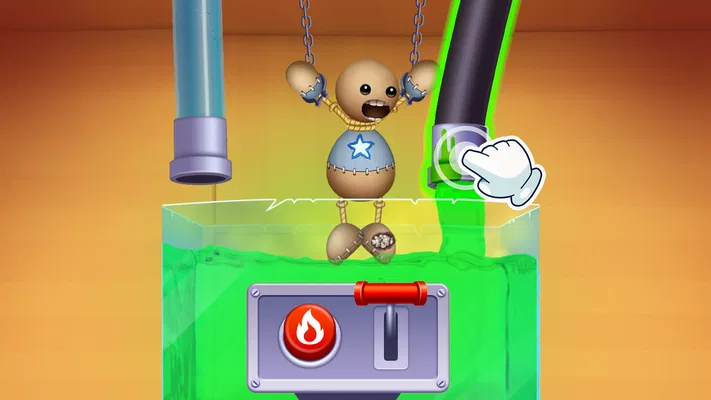
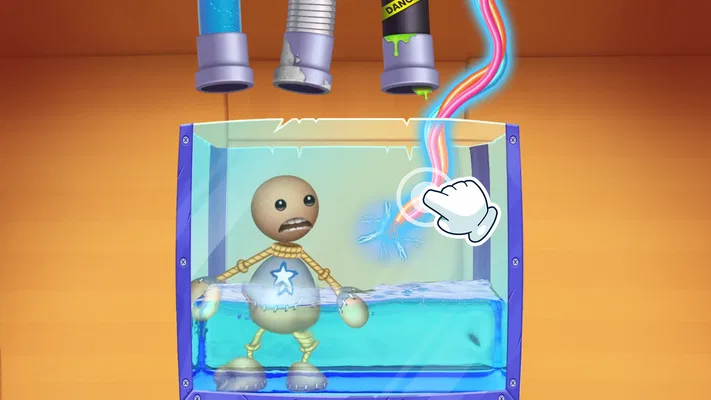
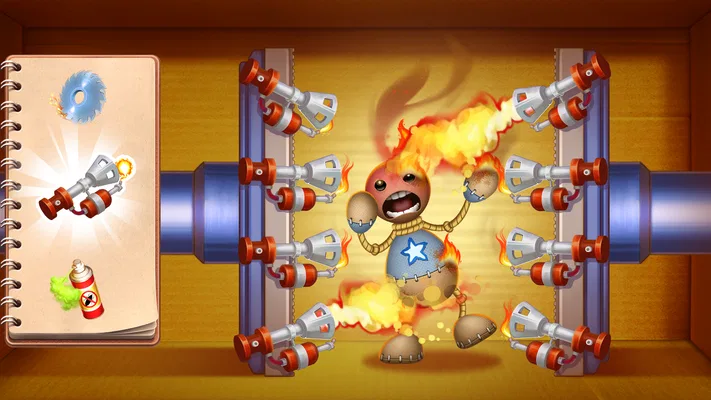
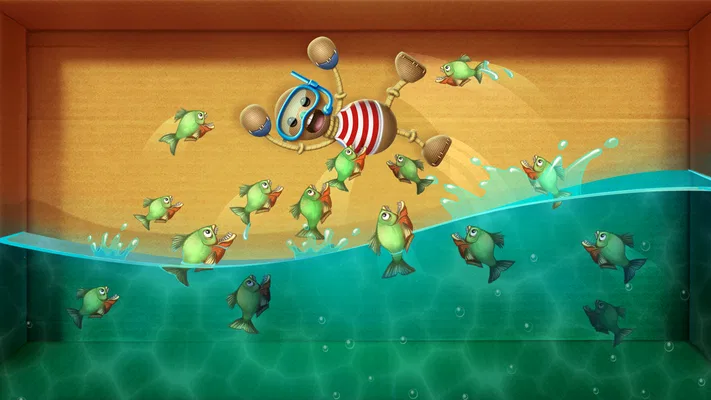
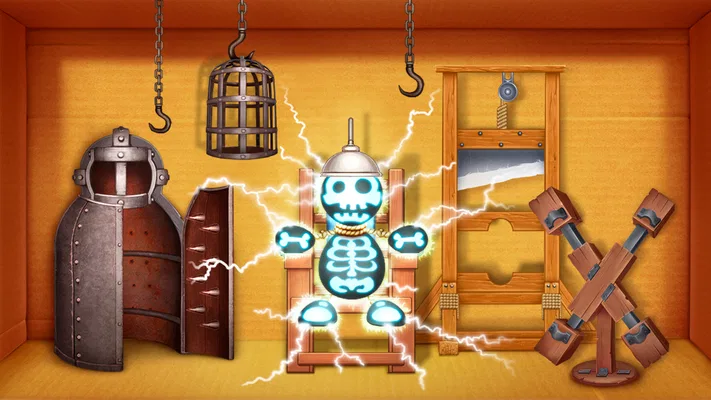
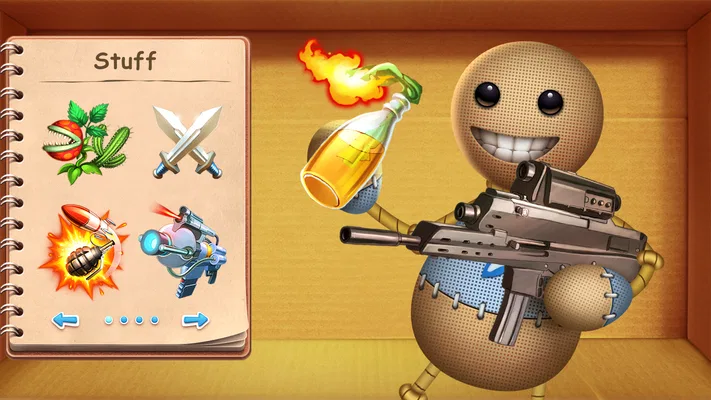
I see Kick the Buddy as a quick, deliberately silly action game for moments when I want something to tap and toy with rather than a story to follow. Its appeal is immediate: the focus is a dummy, and the basic pleasure comes from interacting with it in exaggerated, cartoonish ways. That makes it easy to understand, but it also means the game’s staying power depends on whether this kind of repetitive, playful release suits you.
Made by Playgendary Limited, it is free to download and has a Teen content rating. The game has a 4.1 average from around 3.6 million ratings, with over 500 million installs. Those figures suggest a broad audience, though they cannot tell you whether its humor or pace will click with you. I would approach it as a casual diversion, not as a deep action game or a substitute for a structured challenge.
Getting started without expecting the wrong kind of game
The first useful check is your own expectation. If you are looking for levels, a campaign, tactical combat, or a strong sense of progression, this may feel thin. Kick the Buddy is built around a compact premise: interact with the character and enjoy the comic result. I find that simplicity convenient when I have a spare minute, but it can feel limiting if I sit down expecting a full-length play session.
The game was released on May 22, 2018, and its current version is 2.21.0. It requires Android 7.0 or later. If you are installing on Android and the store does not offer it, checking the device’s operating-system version is a sensible first step. On iOS, check the game’s current compatibility details in the app store before downloading; compatibility can depend on the device and the store’s current requirements.
Because the game is free to install and includes in-app purchases ranging from $0.99 to $99.99 per item, I would decide in advance whether I want to spend anything. A free download does not mean every optional purchase will feel worthwhile to every player. If you are setting it up for a younger family member, the Teen rating and the purchase range are both worth discussing beforehand. I would also use the device’s purchase controls if I want to avoid accidental spending.
One practical way to judge it is to try a short session before forming an opinion. Ask yourself whether the physical comedy is still amusing after the initial novelty, and whether you enjoy experimenting with the interactions rather than chasing a conventional win. That small test is more useful than assuming its large audience guarantees a match for your taste.
When a session feels stuck
The most common kind of friction with a game this simple is not necessarily a setup problem; it may be a mismatch between what you expect and what the game is designed to do. If you keep looking for a clear objective or a next stage, pause and consider whether free-form interaction is the point you are meant to enjoy. I find the game works better in brief bursts, when I can dip in, try a few interactions, and leave without feeling that I have abandoned a long task.
Another useful distinction is between a game that has stopped responding and a moment that simply feels repetitive. If taps no longer register or the screen appears frozen, close the game normally and reopen it. If the game still behaves oddly, restart the device and make sure the installed version is current through the app store. These are general first steps, not a promise that every issue will be solved by them.
If an interaction does not produce the result you expected, try one input at a time and watch what changes on screen. Rapidly tapping several areas can make it hard to tell whether the game registered anything. Slowing down briefly is a simple troubleshooting habit, and it also helps you decide whether the response itself is entertaining enough to keep playing.
Small habits that make the game easier to judge
I recommend treating the first session as a test of the central loop, not as a hunt for hidden depth. Try a short stretch of play, then stop and see whether you feel refreshed or merely ready to move on. That tells you more about the game’s fit than extending a session out of habit. Its strongest use case is a brief distraction between tasks, not necessarily a long evening of focused play.
A second useful habit is to keep spending separate from experimentation. Since optional purchases have a broad price range, I would explore the free experience first and only consider a purchase if I can identify a specific reason it would improve my own play. This avoids the common trap of paying simply because a game presents an option while you are still deciding whether you enjoy it.
For a shared device, I would also make the purchase decision before handing the phone over. That is especially relevant when a younger player may be drawn to in-game options without understanding their cost. The Teen rating is a cue to consider age and household expectations, rather than an assurance that every family will find the tone appropriate.
If you are playing during a short break, set a natural stopping point before opening the game: for example, a few minutes while waiting for a ride or between chores. The game’s simple premise makes it easy to start, but that does not mean every session needs to stretch on. A deliberate stopping point helps preserve its role as a small diversion instead of turning it into an activity you keep revisiting without much enjoyment.
When the problem may be outside the game
Not every launch or performance issue comes from the game itself. A device running an older operating system, limited free storage, a temporary network problem, or another app competing for attention can all affect how an app behaves. I would check the phone’s basic condition first: confirm that the operating system meets the Android minimum, close unused apps, and try again when the connection is stable if the issue appears related to loading or purchases.
If a purchase does not appear as expected, avoid repeating it immediately. First check the app store’s purchase history and the account used for the transaction, then give the store and game a moment to refresh. Repeated attempts can create extra confusion. For account or billing questions, the relevant app store is usually the right place to review transaction details, while game-specific behavior may call for contacting the developer through its official support channels.
It is also worth separating device heat or battery drain from a defect in the game. A phone that is already busy, warm, or low on power may behave poorly across multiple apps. Testing another app and restarting the device can help identify whether the trouble is broader. If only this game continues to fail after ordinary checks, reinstalling may be a later option, but I would first make sure I understand any account or purchase consequences and can access the store account used to install it.
How it compares with other action games
Compared with action games built around missions, reflex tests, or competitive matches, Kick the Buddy asks for less planning and gives less conventional structure. That is a real advantage when I want an easy-to-enter distraction and do not want to learn a complicated control scheme. It is also the central trade-off: players who enjoy mastering systems or making steady progress may find the interaction loop too narrow.
Compared with a puzzle game, it asks less of your attention and does not rely on careful problem solving. Compared with an endless runner or a score-chasing arcade game, its appeal is less about beating a personal record and more about the immediate cartoon response. If you want a measurable challenge, I would choose an action game with clear goals. If you want something you can pick up without remembering a storyline or a previous run, this is the more natural fit.
The game’s identity is intentionally over-the-top, so it is not a universal stress remedy. Some players may find the slapstick amusing; others may prefer a calmer coloring, music, or breathing app when they want to unwind. I would not treat fictional violence as a replacement for genuine relaxation tools, either. The best way to view it is as comic, tactile play that may help break up a dull moment if its tone suits you.
Who I would recommend it to
I would recommend it to someone who likes absurd cartoon humor, wants a low-commitment action game, and is comfortable with a repeated central activity. It also makes sense for people who do not want to follow a story or coordinate with other players to enjoy a quick session. The free install lowers the barrier to trying it, while the optional purchases make it sensible to set a spending boundary early.
I would suggest skipping it if you need a clear campaign, thoughtful combat, a serious atmosphere, or a strong feeling of achievement. It may also disappoint anyone who expects a game to become more complex the longer they play. The large number of installs and ratings show that many people have tried it, but popularity is not a substitute for the specific kind of play you enjoy.
My practical verdict
Kick the Buddy is best when I treat it as a short, silly break rather than a substantial action adventure. Its uncomplicated premise is its main strength: I can understand the appeal quickly and decide without a long tutorial or commitment. Its main limitation is the same simplicity, which can make the experience feel repetitive once the novelty fades.
I would install it if I wanted a playful distraction and was happy to keep purchases optional. I would check the device’s compatibility before troubleshooting, try brief sessions before investing more time, and move on if I wanted deeper goals or a calmer way to unwind. The current version is 2.21.0, and the game remains free to download, but whether it earns a place on your phone comes down to one question: do you enjoy its particular brand of cartoon slapstick enough to return for another short session?
For me, the recommendation is conditional but clear: try it for its quick, exaggerated interactions, keep expectations modest, and do not mistake its straightforward loop for a full-featured action campaign. If that sounds like the kind of lightweight play you want, Kick the Buddy is an easy game to sample. If you need progression, precision, or a more soothing mood, another kind of mobile game will probably serve you better.